Reinvent Your Home: Creative Ideas for Stunning Home Additions
Upgrading a home through carefully planned additions can significantly improve both its usability and overall appearance. From sunrooms that invite natural light to spacious decks ideal for gatherings, the possibilities are diverse. Growing important rooms, including kitchens, strengthens family bonds, while a dedicated garage can eliminate storage problems. Recognizing fundamental design components and thoughtful preparation is essential. Yet, what really drives homeowners to adopt these transformations? The answer is found in the extraordinary influence of thoughtfully designed home additions.
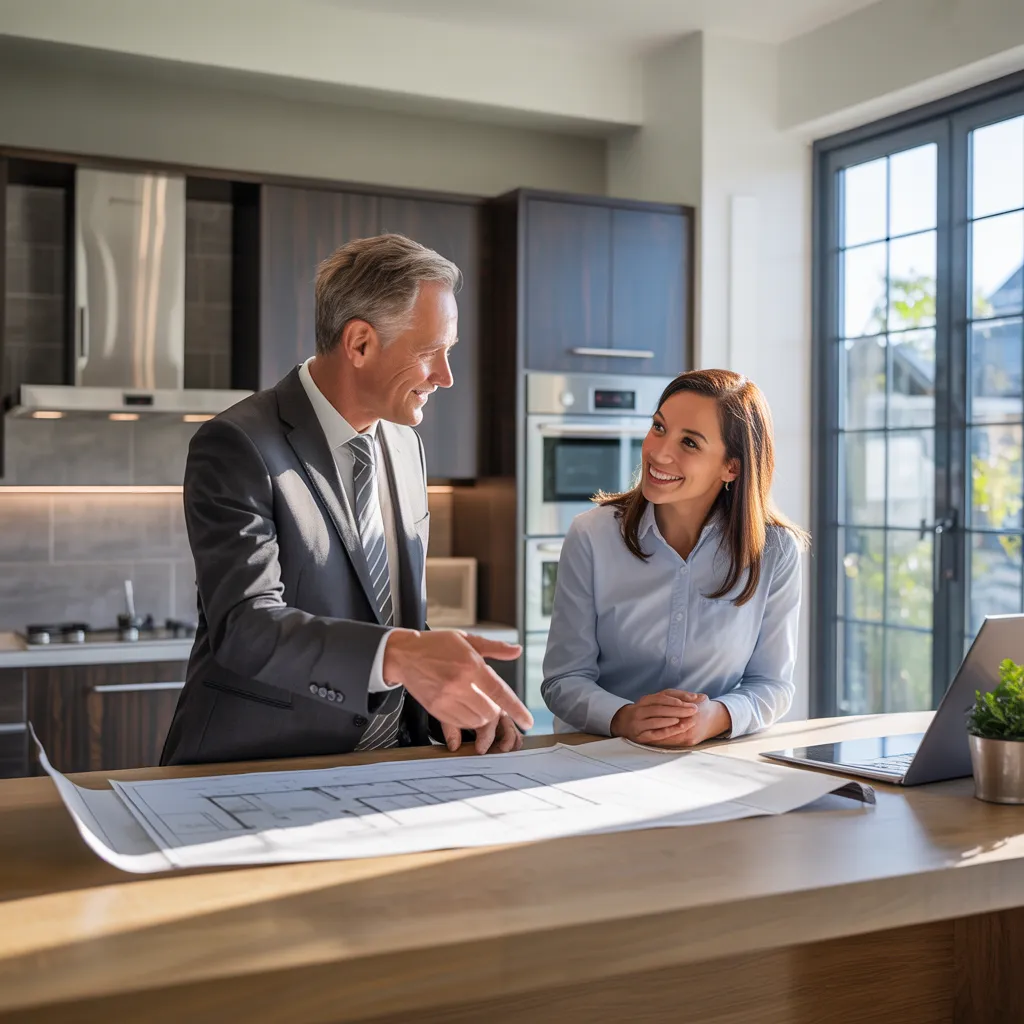
Browse Popular Home Addition Concepts to Reinvent Your Space
Many homeowners actively pursue unique approaches to upgrade their homes, and exploring popular home addition ideas can offer transformative solutions. One highly popular choice is incorporating a sunroom, which introduces abundant natural light while establishing a peaceful retreat for unwinding. An equally attractive option is a deck or patio, expanding the usable space into the outdoors and ideal for hosting gatherings.
Homeowners might also think about broadening their kitchen areas, creating a more useful and appealing environment. A garage addition not only provides additional storage space but can additionally function as a dedicated workspace or hobby area.
For homeowners requiring extra sleeping spaces, a bedroom addition can offer essential privacy and comfort. Furthermore, converting attics or basements into livable spaces presents an opportunity for creative design while maximizing existing square footage. All of these concepts carry the potential to improve both practicality and visual appeal, ultimately turning a home into a more pleasant living space.
Why Home Additions Can Boost Your Lifestyle?
Home additions can considerably expand living space, offering families the opportunity to grow and adapt. Additionally, enlarging a home can contribute to higher property value, making it a worthwhile investment. In addition, these additions often foster deeper family connections by developing common areas for shared activities and gatherings.
Improve Living Space
Extending a living space through home additions can markedly improve one's lifestyle by providing greater functionality and comfort. For households, extra rooms can accommodate growing needs, such as a playroom for children or get more info a home office for remote work. A well-designed addition can develop a natural transition between interior and exterior areas, promoting leisure and connection. Furthermore, integrating elements like open floor plans or large windows encourages a sense of openness and connection with nature. Upgraded home spaces also allow for personalized design choices, reflecting individual tastes and preferences. Ultimately, home additions not only maximize existing spaces but also create environments that promote well-being and improve daily living experiences.
Boost Property Value
Committing resources to residential expansions can greatly elevate a property's market value, making it an intelligent financial move. By increasing living space or incorporating practical areas, sellers can appeal to interested purchasers and increase resale prices. Features such as additional bedrooms, updated kitchens, or flexible living spaces often yield significant returns on investment. Additionally, improvements such as sunrooms or outdoor decks not only elevate the home's appearance but also satisfy contemporary living aspirations, further boosting desirability. A carefully designed expansion can turn a residence into a more desirable asset, responding to today's market conditions and buyer interests. Ultimately, purposeful residential additions offer an intelligent method of optimizing real estate worth while elevating the quality of life for present homeowners.
Foster Family Connections
A thoughtfully planned addition can significantly strengthen family relationships by creating spaces that encourage interaction and unity. Open-concept layouts, such as family rooms or generous kitchens, act as hubs for collective activities, encouraging communication and togetherness. Purpose-built areas for hobbies or playrooms provide children a place to explore, while adults can enjoy nearby social spaces. Additionally, including outdoor living spaces, like patios or decks, allows families to come together in a comfortable environment. These additions not only encourage everyday bonds but also establish a backdrop for memorable gatherings and celebrations. At their core, carefully considered home additions transform living environments into nurturing spaces that strengthen family ties, elevating overall quality of life.
Key Design Elements to Improve Your Home Addition
As homeowners plan a home addition, including fundamental design features can greatly improve both visual appeal and practicality. Key elements include natural light, which can be accomplished using large windows or skylights, creating a bright and inviting space. Additionally, an open floor plan promotes seamless flow between current and added spaces, fostering a sense of continuity.
Incorporating harmonious materials and color schemes confirms the addition complements the existing framework, sustaining design consistency. Strategic placement of furniture and fixtures enhances functionality, creating a space suited for daily living. Outside transitions, for example a patio or deck, serve to enlarge living spaces and inspire outdoor engagement. Furthermore, energy-efficient designs, utilizing effective insulation and responsible materials, promote enduring cost reductions and environmental stewardship. By emphasizing these critical design factors, homeowners can create a cohesive and beautiful addition that enhances their living experience.
Successfully Plan Your Home Addition Project
Proper planning is essential for a well-executed home addition endeavor. Property owners should commence by establishing their objectives, whether it's expanding their living area, enhancing functionality, or increasing property value. Developing a well-defined vision assists in directing the planning and building process. Additionally, investigating local building codes and zoning regulations is critical to guarantee compliance and avoid potential setbacks.
Building a timeline that outlines every stage of the project supports sustaining direction and accountability. Property owners should also consider consulting qualified professionals, like designers or contractors, for professional insight and to optimize the project.
Furthermore, emphasizing communication among team members encourages teamwork and resolves challenges in a timely manner. As a final consideration, planning ahead for upcoming demands can help create an addition that stays practical and useful for years to come. By applying these principles, homeowners gain the tools needed to handle their home addition projects more effectively and decisively.
Home Addition Budgeting: Important Tips to Know
Budgeting for a home addition necessitates meticulous planning and consideration to minimize surprise expenditures. Property owners should start by identifying a practical budget that encompasses all components of the project, such as permits, building materials, labor costs, and contingency expenses. It is recommended to set aside an additional 10-20% of the total budget for unexpected circumstances.
Researching and comparing costs from various contractors can offer useful information and assist in reaching well-informed choices. Moreover, property owners should weigh their necessities against their preferences, ensuring that essential features are included while remaining within budget.
Developing a thorough timeline can aid in synchronizing expenses with construction stages, reducing financial strain. Finally, consulting with a financial advisor or a contractor can offer greater insight into likely costs and payment alternatives, ensuring that the budget remains manageable throughout the home expansion project. This strategic approach facilitates a effective and economically viable home expansion.
Real-Life Home Addition Projects That Will Inspire You
Remarkable property addition makeovers reveal the extraordinary promise of private residences. A prime example is a humble compact home that experienced a remarkable overhaul with a sophisticated, contemporary extension. By introducing a expansive kitchen and dining space, the owners elevated their culinary lifestyle while crafting a warm social space for family and friends.
A remarkable transformation highlights a compact dwelling that grew upward with a appealing loft, optimizing the area while adding a snug reading area. This ingenious approach not only enhanced practicality but also gave the residence a distinctive charm.
In the end, a traditional ranch house embraced a contemporary style with a floor-to-ceiling glass sunroom, bathing the interior in warm natural light and delivering magnificent vistas of the garden at the rear of the property.
These actual transformations demonstrate the wide range of possibilities for home improvements, inspiring homeowners to envision their own unique enhancements and transform their living spaces.
Questions We Often Receive
What Permits Are Required for a Home Addition Project?
For those planning a home addition project, one typically needs the appropriate building permit, approval from the zoning board, and potentially additional electrical or plumbing authorizations. Local regulations vary, so checking with your municipal office is crucial to ensure all requirements are met.
How Long Does It Usually Take to Finish a Home Addition?
A typical home addition usually takes two to six months to complete, depending on factors such as size, complexity, permits, and weather conditions. Effective planning and contractor performance can significantly impact the timeline.
Is It Possible to Stay in My Home During the Addition Process?
Absolutely, homeowners can generally live in their homes during the construction addition process. However, elements like the project's scale, construction location, and noise disruptions may affect comfort and accessibility, requiring temporary adjustments or accommodations during the building process.
What Are Common Mistakes to Avoid When Planning an Addition
Frequent errors to watch out for when planning an addition consist of misjudging the overall budget, ignoring necessary building permits, disregarding structural requirements, neglecting to evaluate future demands, and failing to seek expert guidance. Diligent preparation leads to more efficient execution and improved results.
How Do I Find the Right Contractor for My Project?
To select the right professional, it is important to research qualifications, examine testimonials, and ensure open communication. Evaluating several estimates and assessing prior experience can assist in identifying trustworthiness and alignment for the particular home improvement project.